Proven Bed Bug Treatment Solutions for a Pest-Free Home
Bed bugs create a significant challenge for homeowners aiming a pest-free environment. Knowing their movements and effective treatments is vital. A mixture of DIY strategies and professional extermination can produce the finest findings. This discussion will explore essential tools, time-tested household remedies, and expert routes. To boot, preventional tactics can help promise that these invaders do not come back. The road to a bed bug-free home demands precise consideration and calculated action.

Learning About Bed Bugs: Classification and Habits
Bed bugs, small blood-sucking creatures classified as the Cimex lectularius species, are notorious for their ability to prevent rest and produce distress. Recognizable by their thin, egg-shaped bodies and mahogany-colored coloration, adult bed bugs reach about a quarter of an inch in length. Their build and appearance allow them to hide easily in crevices and seams of furniture, bedding, and walls.
Bed bugs are largely nocturnal, feeding on the blood of their hosts during the night. They are responsive to body warmth and CO2, making humans ideal hosts. Breeding happens rapidly; a single female can lay vast quantities of eggs in her lifetime. Understanding the actions and patterns of bed bugs is essential for proper mitigation, as they can speedily colonize homes and remain dormant for lengthy timeframes. Their resilience to environmental changes stresses the importance of swift detection and action.
Critical Instruments for Effective DIY Bed Bug Management
Successful DIY bed bug management depends on a methodical approach, and acquiring the appropriate tools is critical for accomplishment. Crucial tools feature a high-grade vacuum cleaner with a HEPA filter, which traps bed bugs and their eggs effectively from varied surfaces. Steamers prove equally vital; the high temperatures kill bed bugs on contact, establishing them as excellent for treating mattresses and upholstery.
Bed bug interceptors can be placed under leg furniture to catch and observe any pests trying to ascend. Furthermore, encasements for mattresses and box springs assist in preventing pest invasions and protect against upcoming infestations. A quality light source is necessary for detailed examinations in dark areas, while isopropyl alcohol can serve as a temporary spot treatment.
At last, a solid brush facilitates dislodging bugs from crevices. Together, these tools form a complete arsenal for combating bed bug infestations successfully.
Tested Home Treatments for Bed Bug Elimination
Homeowners seeking solutions to bed bug problems often turn to effective remedies that can be discovered in their own kitchens or local stores. One effective approach involves using natural oils, especially tea tree and lavender oil, recognized for their insect-repellent properties. Mixing these oils with water and spraying them on affected areas may assist in repelling bed bugs. Another common remedy is diatomaceous earth, a natural powder that dries out the bugs upon contact, effectively eliminating them over time.
Freezing objects that cannot be washed, such as shoes or stuffed animals, for several days can also kill bed bugs. Additionally, a deep vacuuming of infested areas followed by steam cleaning can disturb their habitats. While these home remedies may not guarantee complete eradication, they can serve as useful adjuncts to an extensive pest control strategy. Homeowners should remain vigilant and monitor for any signs of resurgence.
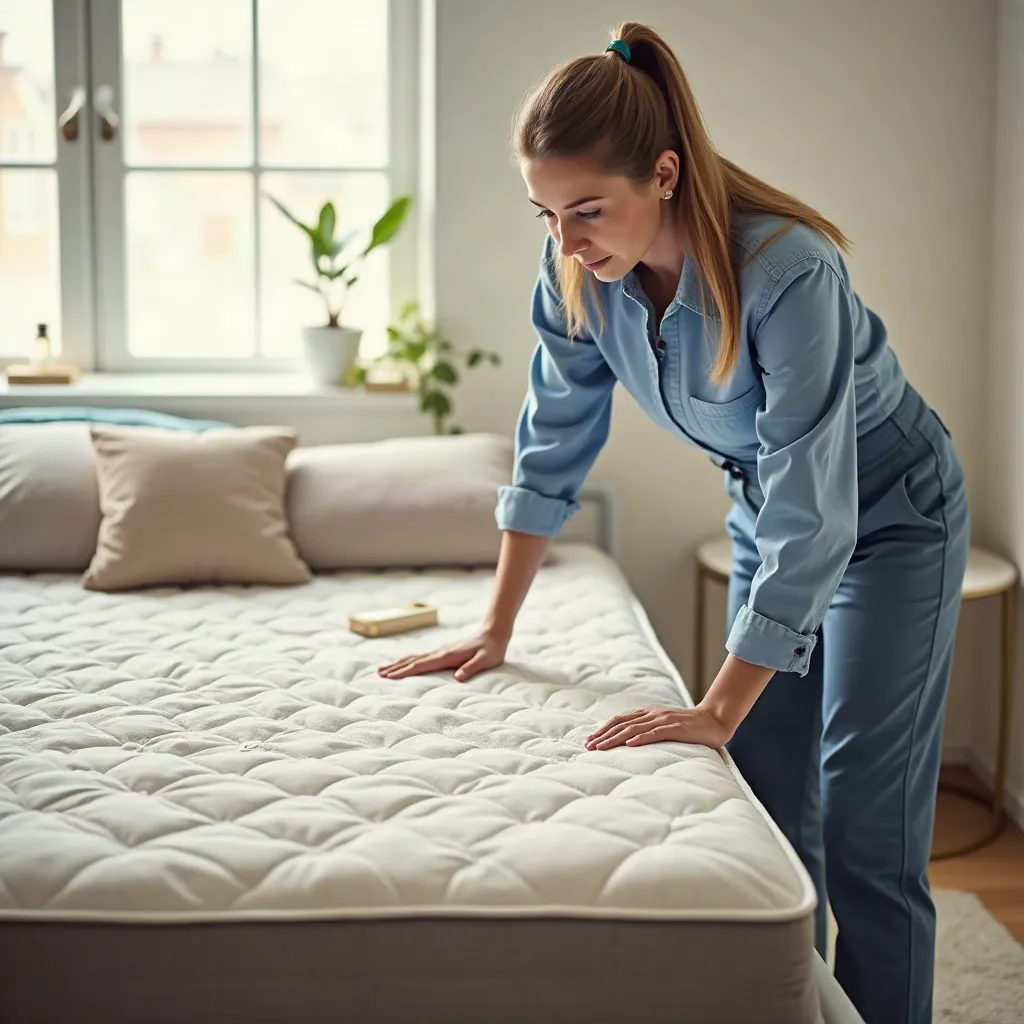
How to Find Qualified Bed Bug Control
What approach can one use to determine the top expert bed bug extermination service? To make an informed decision, people need to begin by investigating nearby companies with a solid reputation. Testimonials and testimonials from former clients give insight into the efficacy and dependability of services offered. It is essential to check that the exterminators are licensed and insured, ensuring they comply to industry standards.
Next, ask about the methods used for extermination. Trustworthy companies usually present a selection of techniques, featuring chemical treatments and heat-based methods. Inquiring regarding their follow-up procedures can also indicate their dedication to long-term solutions. Obtaining several bids allows for assessment, but the lowest price should not be the sole factor. Finally, a reputable extermination service will offer a transparent overview of the method and respond to any inquiries, fostering faith and belief in their proficiency.
Safeguarding Against Forthcoming Bed Bug Infestations
After securing professional bed bug extermination services, priority should be placed on stopping future bed bug problems. Establishing preventative actions is important for keeping your space free from bed bugs. First, routine inspections of rest areas and surrounding pieces can assist in finding any initial symptoms of bed bugs. Applying protective encasements to mattresses and box springs creates a protective wall that keeps bed bugs from hiding and reproducing.
Additionally, it is essential to be cautious when traveling abroad. Inspecting hotel rooms and keeping luggage elevated can lower the risk of bringing bed bugs home. Decluttering living spaces also reduces potential hiding spots, making it easier to spot any infestations early.
Moreover, instructing all household members about bed bug signs and prevention strategies encourages a mutual responsibility. By following these strategies, dwellers can substantially decrease the risk of a bed bug occurrence, thereby maintaining a cozy and bug-free living environment.
Daily Habits to Maintain a Bed Bug-Free Home
Maintaining a pest-free home involves regular daily habits that lessen the risk of infestations. Regularly inspecting bedrooms is important; checking for signs such as exoskeletons or marks on bedding can help catch problems early. Washing bedding and linens weekly in hot water is another effective measure, as background information high temperatures kill any potential eggs or bugs.
Sweeping with a vacuum often, especially in pet resting zones and along baseboards, can eradicate hidden bed bugs and their eggs. Reducing clutter levels also supports preventative measures, as it provides fewer hiding spots.
When journeying, individuals should assess hotel rooms and keep luggage elevated on racks rather than on beds or floors. Additionally, caulking cracks and crevices in walls or furniture can greatly decrease the chances of bed bug entry. Adopting these everyday practices fosters a preventative approach to maintaining a pest-free environment.
Regular Commonly Asked Questions
What Time Period Can Bed Bugs Endure Without a Host?
Bed bugs can survive without a host for several months, usually lasting between two and six months. Their resilience allows them to endure in food-free environments, waiting for a appropriate host to appear.
Are Bed Bugs capable of transmitting Diseases to Humans?
Bed bugs fail to spread diseases to humans, according to health experts. Their bites can produce discomfort and hypersensitive responses, but they are not documented carriers of pathogens that cause infections or serious illnesses.
Do Pets Introduce Bed Bugs Into Your Home?
Pets can accidentally bring bed bugs into the house by acquiring them from infested areas. While bed bugs do not usually infest pets, they can hitch a ride on fur or possessions.
Is It Safe to Use Insecticides Around Children?
Deploying pesticides where kids are located carries safety risks. It's essential to follow label requirements, provide proper ventilation, and distance children from the area during implementation. Speaking with a pest control professional can deliver safer substitutes and counsel for family environments.
How can I tell if my bed bug treatment worked?
To evaluate if bed bug treatment was effective, one should keep track of for signs such as welts, discarded skin, or live insects for a few weeks. Ongoing inspections and follow-up treatments may be essential for thorough eradication.